Helical Pier Installation in Colorado Springs, CO
One corner of the house dropping? Piers reach past the clay to ground that holds still.
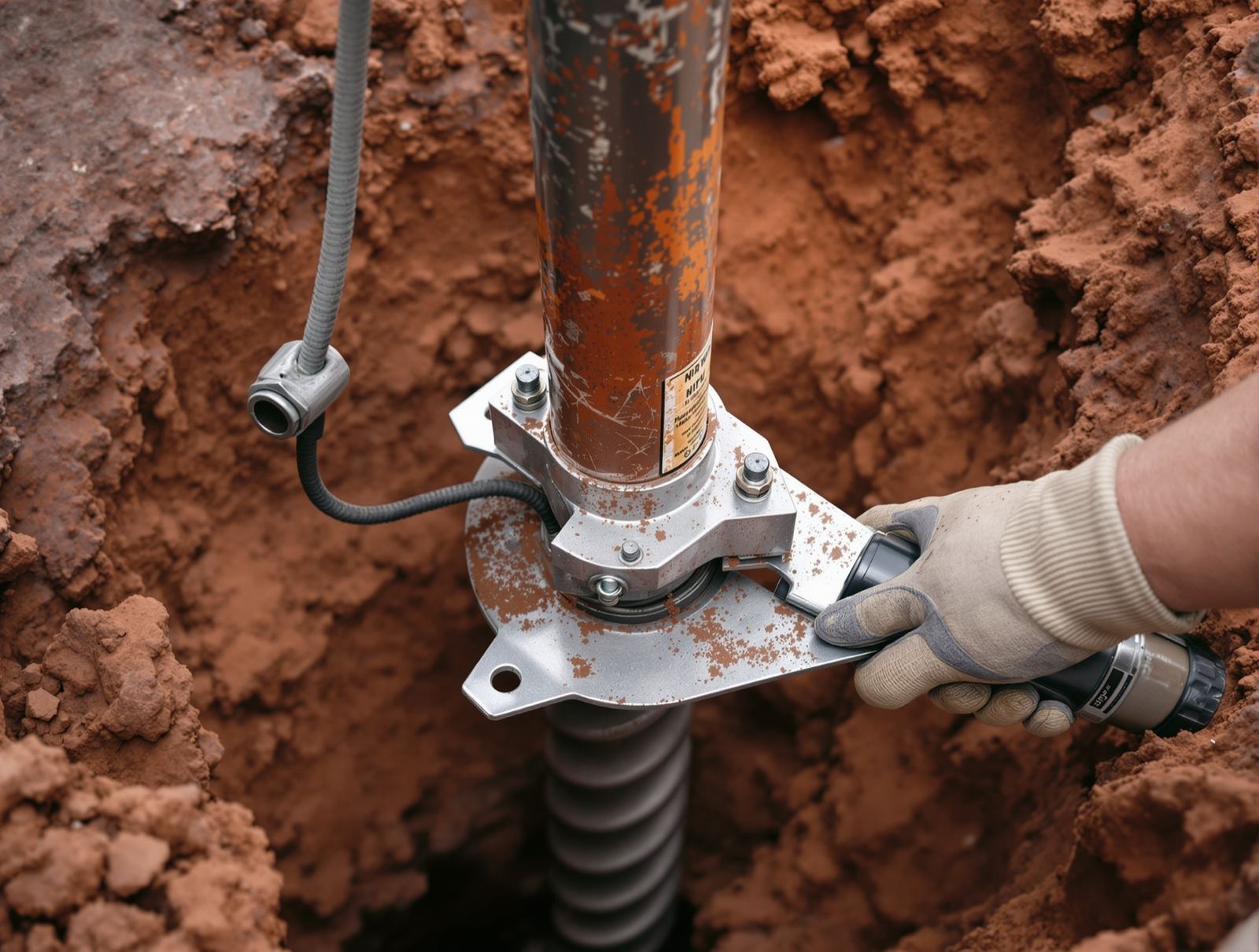
Helical pier installation screws steel piers down beside your footing until they reach soil or rock that doesn’t swell and shrink, then ties the house to them so a sinking corner or wall stops moving. In Colorado Springs, that usually means getting past expansive clay. Piers are the right fix for some houses and an expensive one for others, so we’ll help you work out which yours is before anyone quotes you.
We reply to every message.
Last updated 26 October 2026
What helical pier installation costs
Published 2026 prices put helical piers at about $2,000 to $4,000 each installed, and most houses that need them need five to ten. A house that needs seven piers at those prices comes to roughly $14,000 to $28,000 before engineering and permits.
These are national published figures. Colorado Springs quotes can land above or below them, so get every pier priced on its own line.
Full breakdown, including permits and engineering: Foundation repair cost in Colorado Springs.
Signs one part of the house is sinking
- A floor slopes toward one corner or outside wall. A marble rolls the same way every time.
- Stair-step cracks run through brick or block, often wider at the top than the bottom.
- Doors and windows on one side stop closing, and stay stuck through dry months too, not just after a wet week.
- Gaps open where walls meet the ceiling or floor, or a chimney or porch pulls away from the house.
- Patched cracks keep coming back, which usually means the house is still moving underneath.
If the floor dips in the middle of the house instead of at an outside wall, that’s more often a crawl space support problem. See Crawl space repair in Colorado Springs. If only a patio, walkway or driveway has sunk, that is a job for concrete lifting, not piers.
Settling vs a foundation that’s still moving
Every house settles a little in its first few years, and a crack that formed once and hasn’t grown is usually a record of movement that already stopped. Piers are for a house that’s still going down.
The easy test: mark both ends of the crack with a pencil and the date, measure any gap with a coin, and check again in two or three months. If nothing changed, you probably don’t need piers. If it grew, or new cracks showed up, it’s time for a professional look.
What a helical pier installation involves
- Find the cause first. A good contractor measures how far the house has moved and checks the downspouts and grading before recommending piers. An independent structural engineer can do this without selling the fix.
- Engineering and permit. Whether a repair needs a permit depends on the scope. Ask your contractor, and check with the Pikes Peak Regional Building Department if unsure. Larger jobs may need an engineer’s design.
- Dig at each pier spot. Crews open a small hole beside the footing, usually outside. Interior piers mean cutting the basement slab.
- Screw each pier to depth. A hydraulic motor turns the pier into the ground. Installers record the torque needed to turn each pier. Manufacturers use that reading, with a tested torque-to-capacity factor, to estimate how much load the pier can carry.
- Attach and stabilize. A steel bracket ties the footing to the pier. Lifting back toward level is sometimes possible, but lifting too far can crack drywall and pipes.
- Backfill and regrade. Soil goes back sloping away from the house, then the final inspection.
What you’ll need to do: clear a path along the walls being worked on and expect two to four days of noise and equipment. Most families stay home.
Helical piers vs steel push piers
Push piers are driven down using the weight of the house, so they suit heavier homes with plenty of load to push against. Helical piers screw in and don’t need that weight, which makes them a good fit for lighter homes, porches, additions and decks. Neither is better everywhere. Ask each contractor why they chose one for your house.
When you probably don’t need piers
Plenty of houses that get a pier quote don’t need one. An old crack that hasn’t grown in a year is history, not a problem. Doors that stick for a week after a big storm and then free up are the clay swelling, not the house failing. And if a downspout has been dumping water beside the wall that’s moving, fix that first and give it a season.
Why Colorado Springs houses end up needing piers
Much of Colorado Springs sits on expansive clay and Pierre Shale, which the Colorado Geological Survey calls Colorado’s most significant geologic hazard. A footing sitting in that clay rides up and down with it as it gets wet and dries out, and one corner rarely moves the same as the others. Piers work by skipping past the moving layer, which is why depth matters so much here.
Many Front Range homes were already built on deeper concrete piers for this reason, so ask whether yours was before choosing a fix. If you live in Rockrimmon, Cragmoor or near other old mine workings, check whether the movement is mine subsidence first, since that’s handled differently, including by insurance (see does homeowners insurance cover foundation repair in Colorado).
Helical pier questions from Colorado Springs homeowners
How many piers does my house need?
Most houses that need piers need five to ten, and a typical two-story with moderate settling often needs around seven. The count depends on how much of the house is moving and how heavy that section is. Ask the contractor to show you where each pier goes on a drawing and why.
How deep do helical piers go here?
As deep as it takes to reach soil that doesn’t swell, which changes from lot to lot. Ask what depth they expect, then ask for a written log of the actual depth and torque for every pier once it’s in. A contractor who won’t give you that log is one to skip.
How long do helical piers last?
Hubbell’s Chance helical pier division says an engineer can typically expect 75 to 100 years of service life, depending on how corrosive the soil is. That is a design estimate, not a warranty, so get the actual warranty in writing. Ask what coating the piers have, whether the warranty transfers when you sell, and what happens if the company closes or changes owners.
Can piers lift my house back to level?
Sometimes partly, but their main job is to stop the movement. Lifting too far can crack drywall, tile and pipes. A good quote says how much lift they’re aiming for.
Nearby areas and links
We help homeowners with helical pier installation across Colorado Springs, Monument, Black Forest, Falcon, Peyton, Fountain, Security-Widefield and Manitou Springs.
Find out if your house actually needs piers
Call (719) 645-7643 and tell us what you’re seeing. If it sounds like drainage or normal settling, we’ll say so. If piers make sense, we’ll come out for an inspection and give you a written quote.